
Understanding Plywood – Taiwan’s Most Common Construction Wood Material
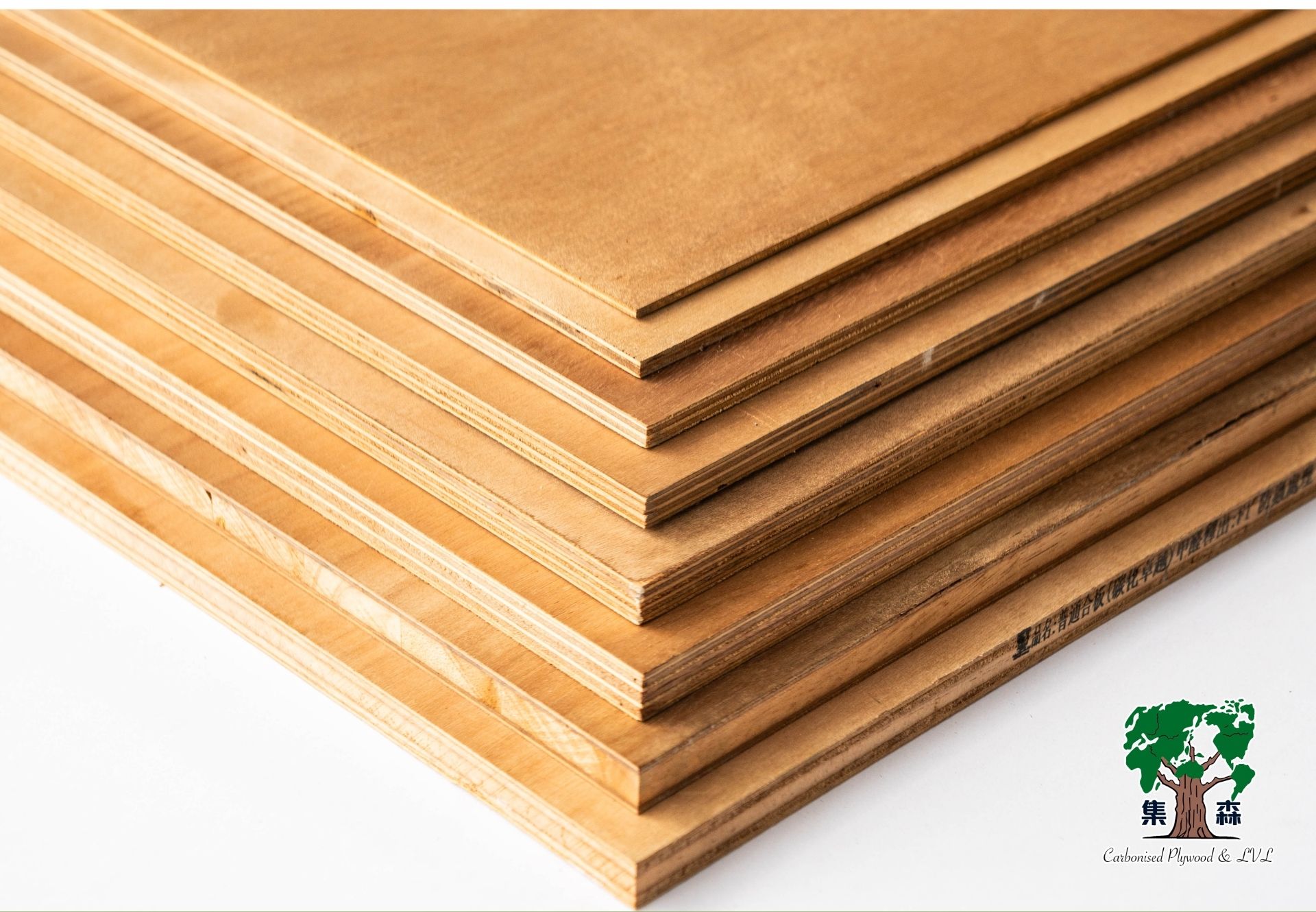
In Taiwan, plywood—also known as laminated board or multi-layer board—is one of the most commonly used materials in construction and interior design. As an eco-friendly engineered wood that maximizes the use of forest resources, plywood is valued for its strength, crack resistance, dimensional stability, and high load-bearing capacity.
Because of these characteristics, it has become a staple material for both construction and interior finishing projects. Plywood is widely used in partition walls, interior design elements, cabinetry, and flooring.
But before choosing plywood for your project, it’s important to understand its advantages, disadvantages, and key factors to consider when selecting the right type.
What is Plywood?
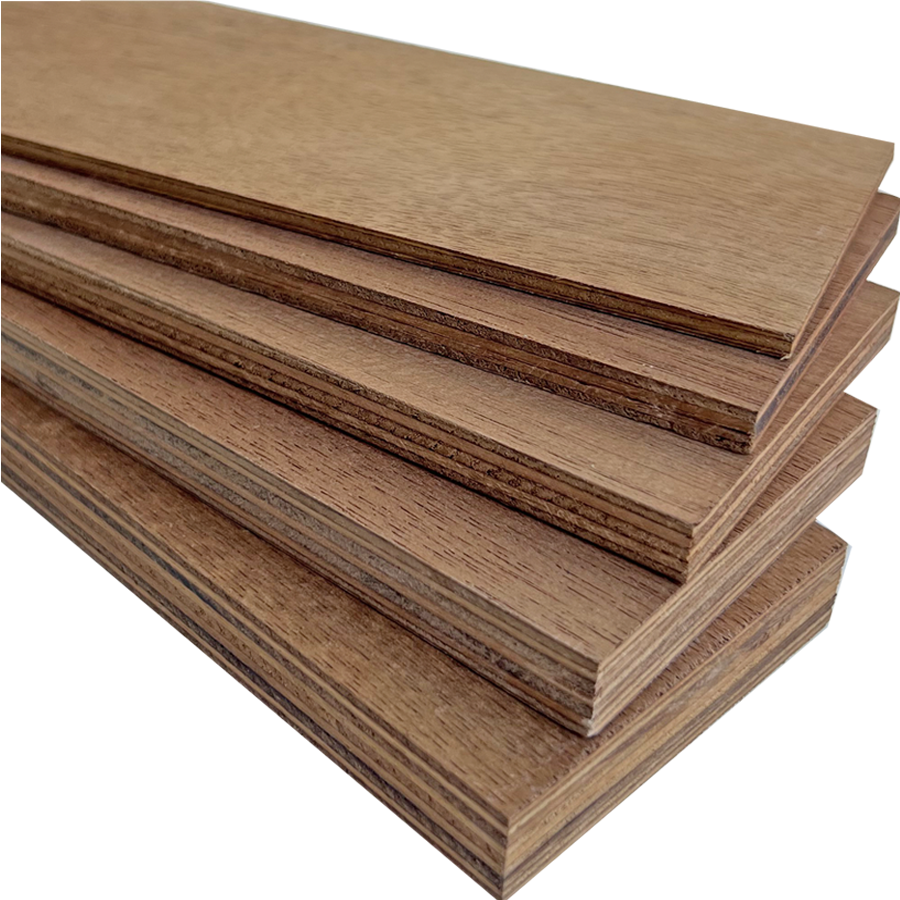
Plywood is made by slicing wood into thin veneers, which are then cross-laminated with alternating grain directions and bonded together using adhesive under heat and pressure.
This structure gives plywood its excellent moisture resistance and makes it less prone to warping or deformation. Despite its durability, plywood is lighter than solid wood, making it easier to transport and install.
However, conventional plywood often uses large amounts of adhesive and additives, which can lead to formaldehyde emissions and odor issues. Additionally, traditional production may involve cutting large-diameter trees, which can place a burden on the environment.
Tjipseng’s Carbonized Plywood — A Healthier, More Sustainable Choice
To address these issues, Tjipseng’s Carbonized Series is manufactured through a special carbonization process. Test results show that its formaldehyde emission level is nearly zero (less than 0.02 mg/L, recorded as “ND”—not detected).
The micro-pores created during carbonization also help absorb formaldehyde and total volatile organic compounds (TVOCs) from the air, contributing to a healthier indoor environment.
In addition, Tjipseng has obtained FSC (Forest Stewardship Council) certification, ensuring that every sheet of board supports sustainable forestry and eco-friendly production.
Applications of Plywood
Plywood is suitable for:
Ceilings, flooring, partitions, bed boards, cabinets, furniture, and interior decoration.
The surface of carbonized plywood can be further enhanced with various finishes such as PP film, PVC, melamine, veneer sheets, or wear-resistant paper. However, Tjipseng does not recommend using light-colored natural veneers such as oak or paulownia, as they are prone to mold growth in humid environments.
(See our Cabinet Case Studies for more details.)
Lumber Core Plywood (Wood Core Board)
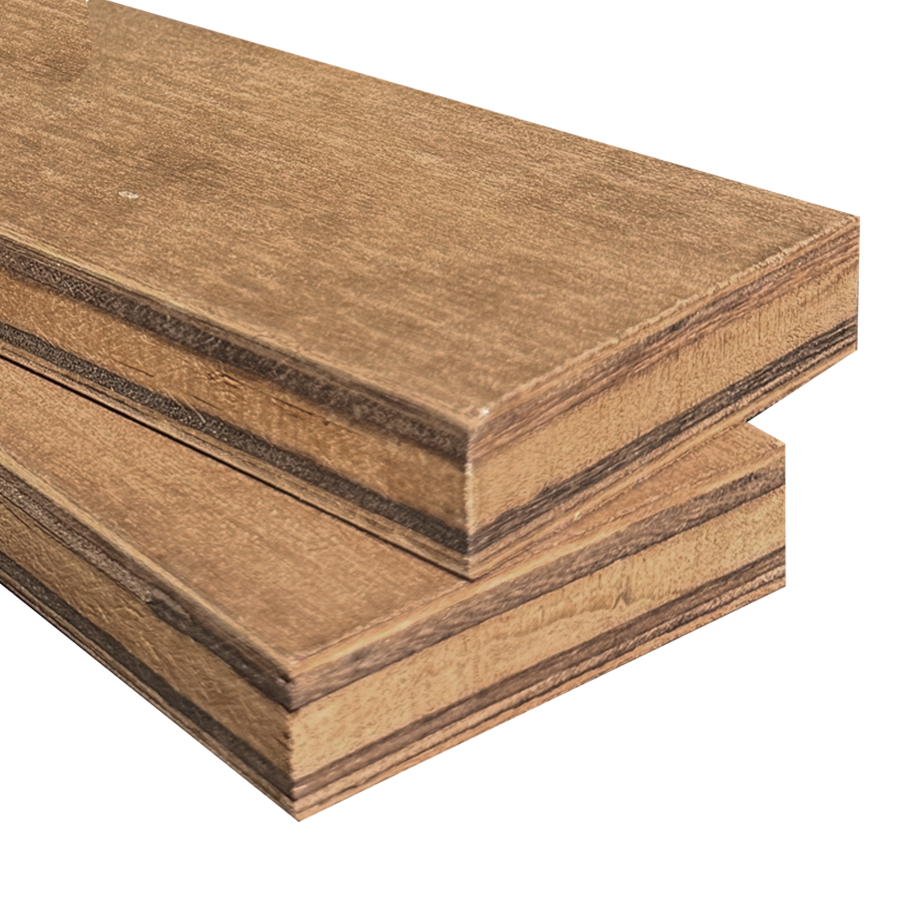
Lumber core plywood, also known as wood core board, is another type of engineered plywood with a different internal structure. It consists of three layers—a core layer of solid wood strips joined side by side, sandwiched between two outer veneer layers that are glued under pressure.
This unique construction provides excellent strength, load-bearing capacity, and resistance to deformation, making it ideal for doors, system cabinets, and furniture.
Advantages:
- High strength and compression resistance
- Strong screw-holding power
- Lightweight for easier handling and installation
Drawbacks:
Similar to regular plywood, wood core boards require adhesives that may contain formaldehyde. Additionally, Meranti (Albizia)—a common core material—tends to be softer, which can lead to loosened screws and wear over time.
Tjipseng’s Superior 7-Layer and 9-Layer Wood Core Boards
Tjipseng’s 7-layer lumber core plywood has been laboratory-tested to deliver greater dimensional stability and superior screw-holding strength.
For projects demanding even higher performance, Tjipseng has developed the exclusive “Tjipseng Premium Solid Wood Core Board.”
This board uses a 9-layer construction with a 6mm-thick, knot-free pine wood core, providing screw retention comparable to high-grade plywood—significantly reducing the need for future maintenance or repairs.
Tjipseng Carbonized Premium Solid Wood Core Board
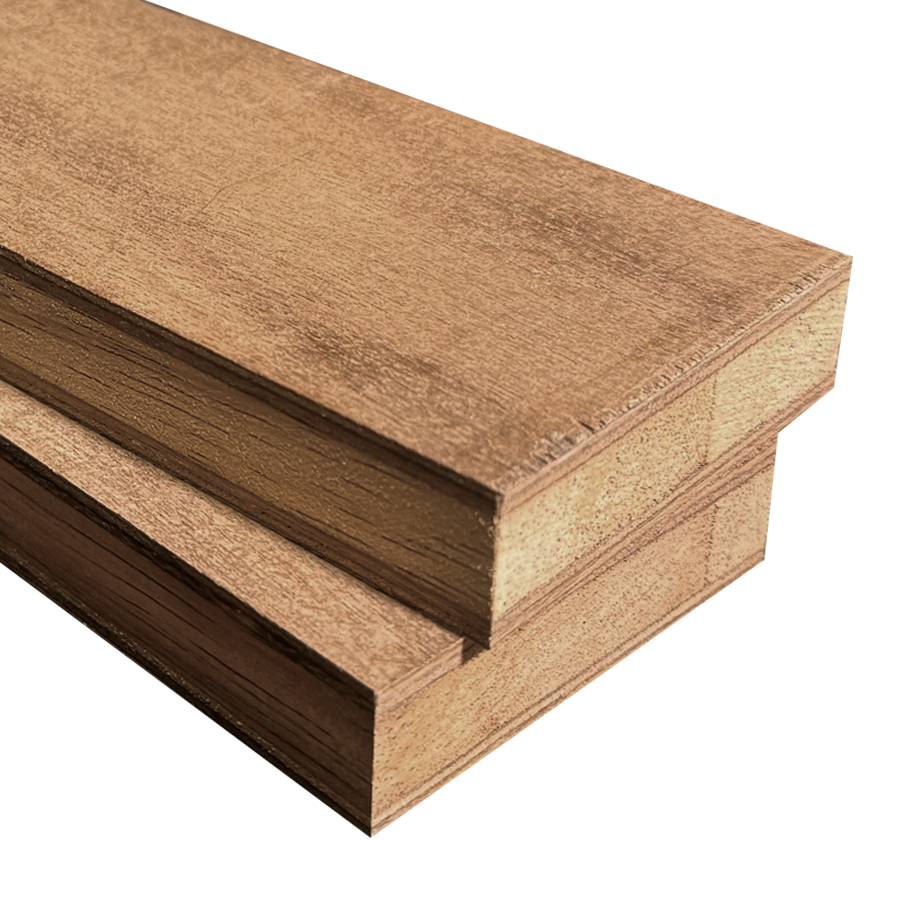
Combining carbonization technology with Tjipseng’s advanced structural design, this exclusive board represents the next generation of durable, eco-conscious, and health-friendly wood materials for modern construction and design.